Web TV has increasingly gained space as a dynamic and accessible alternative for broadcasting audiovisual content. Unlike traditional TV stations, Web TV operates exclusively over the internet, allowing anyone, company, or organization to share live or recorded videos with viewers around the world. This format offers a myriad of possibilities to engage audiences, whether for entertainment, education, or corporate communication.<\/p>
With the advancement of technology and the democratization of internet access, creating a Web TV has become more feasible than ever. The process involves choosing streaming platforms, suitable equipment, and a content strategy that meets the interests of the target audience. BRASCAST offers complete solutions for those who wish to enter this universe, with services ranging from technical infrastructure to support for creating quality content.<\/p>
What is Web TV?<\/h2>
Web TV, or television over the internet, is a way to distribute video content online. Unlike traditional television, which relies on radio frequencies and physical equipment, Web TV uses the internet as a transmission medium. This means that anyone can watch the content on connected devices such as computers, tablets, and smartphones.<\/p>
This transmission format has the advantage of being accessible to a global audience, without the geographical limitations that conventional TV stations face. Furthermore, Web TV allows for greater interactivity with the audience, who can comment and share content in real time, creating a more dynamic and engaging experience.<\/p>
With the popularization of streaming platforms and the increase in internet connection speeds, Web TV has become a powerful tool for content creators of all types. From live events to series and documentaries, the possibilities are virtually endless, and the reach is much greater than that of traditional media.<\/p>
Advantages of Web TV<\/h2>
One of the main advantages of Web TV is the flexibility it offers both creators and viewers. The broadcast can be watched at any time and from anywhere, as long as there is an internet connection. This eliminates the need to adhere to fixed programming schedules, as occurs in traditional TV.<\/p>
Another significant advantage is cost. Creating and maintaining a Web TV is generally more economical than operating a conventional TV station. Transmission costs are lower, and the necessary infrastructure is less complex, allowing even small content producers to create their own programming.<\/p>
Additionally, Web TV offers the possibility of audience segmentation. It is possible to target specific content to market niches, increasing relevance and audience engagement. With analytical tools, it is possible to better understand viewer behavior and adjust programming as needed.<\/p>
How does Web TV work?<\/h2>
Web TV operates through streaming platforms, which are responsible for distributing the video signal over the internet. To start a broadcast, it is necessary to capture the content with cameras or other recording devices and then send that signal to a streaming server. This server processes the video and makes it available for viewers to access in real time.<\/p>
The transmission process involves using specific software that helps in compressing and encoding the video, ensuring it is transmitted efficiently and with quality. Additionally, it is important to have a stable and fast internet connection to avoid interruptions during the live broadcast.<\/p>
Finally, choosing the transmission platform is crucial. There are various options on the market, each with its characteristics and functionalities. BRASCAST, for example, offers Web TV plans that meet different needs, from simple broadcasts to large-scale events.<\/p>
Step by step to create your Web TV<\/h2>
Creating your own Web TV involves some fundamental steps, from planning to executing the broadcast. Here are the basic steps to get started:<\/p>
- Content planning:<\/strong> Define what the theme and format of your broadcasts will be. Think about the target audience and the type of content they expect to consume.<\/li>
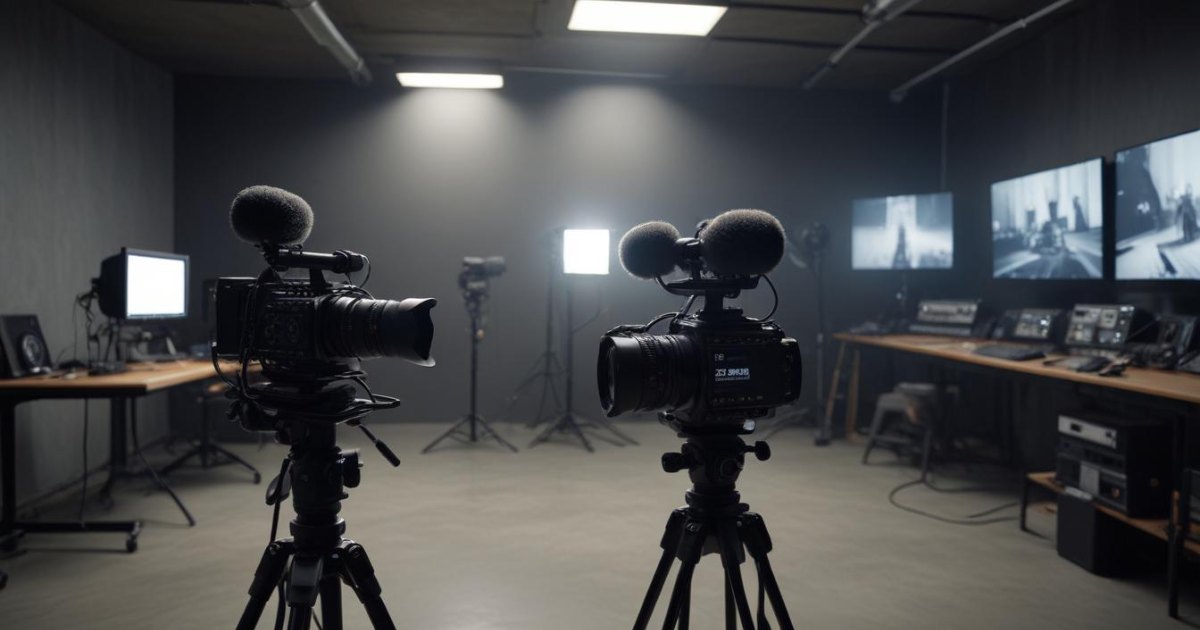
- Equipment selection:<\/strong> Invest in quality cameras, microphones, and adequate lighting to ensure a good experience for the viewer.<\/li>
- Streaming platform selection:<\/strong> Choose a reliable platform to broadcast your content. BRASCAST offers various options for live broadcasting and Auto DJ that can meet your needs.<\/li>
- Technical setup:<\/strong> Configure the broadcasting software and test your internet connection to ensure everything works perfectly during the broadcast.<\/li>
- Equipment selection:<\/strong> Invest in quality cameras, microphones, and adequate lighting to ensure a good experience for the viewer.<\/li>
After following these steps, you will be ready to start your broadcast and reach your audience through Web TV.<\/p>
Common mistakes when creating a Web TV<\/h2>
Starting a Web TV can be challenging, and many make mistakes that can compromise the quality of the broadcast. One common mistake is underestimating the importance of audio quality. Even if the video is flawless, poor audio can quickly drive viewers away.<\/p>
Another mistake is not adequately testing the infrastructure before the live broadcast. Connection problems, software failures, and other technical issues can arise, so it is vital to conduct pre-tests to ensure everything works as planned.<\/p>
Additionally, many Web TV creators do not invest enough time in content planning. It is crucial to have a clear script and a well-defined schedule to maintain audience interest. A lack of consistency in content production can also be detrimental, as viewers expect a certain regularity in broadcasts.<\/p>
Practical examples of successful Web TV<\/h2>
Several examples of Web TV demonstrate how this platform can be efficient and impactful. One notable case is companies that use Web TV for training and internal communication. By creating a private channel, companies can share information quickly and efficiently with their employees, regardless of geographical location.<\/p>
Another example is independent artists who use Web TV to launch new works and interact directly with fans. The ability to broadcast live shows and Q&A sessions creates a closer connection with the audience, increasing engagement and loyalty.<\/p>
Sports events also benefit from Web TV. Clubs and leagues can broadcast matches live to fans who could not be physically present. This expands the reach and offers new monetization opportunities, such as subscriptions and targeted advertising.<\/p>
Web TV and online radio: a powerful combination<\/h2>
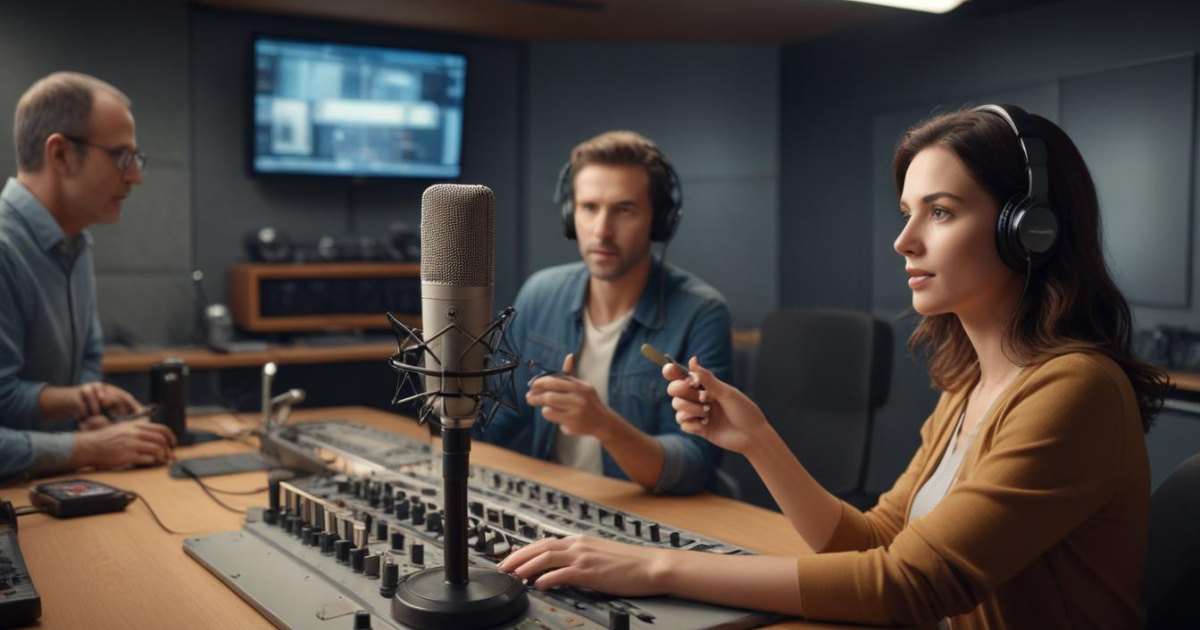
The integration between Web TV and online radio can create rich and immersive experiences for audiences. While online radio offers audio content, Web TV adds a visual layer, allowing viewers to see interviews, shows, and events in a more complete way.<\/p>
For traditional radio stations, Web TV represents an opportunity to expand their reach and diversify the type of content offered. BRASCAST provides solutions that facilitate this integration, such as players and widgets for the radio's website, allowing listeners to access both audio and video content simply and intuitively.<\/p>
This combination is especially valuable for live event coverage, where the visual presence can enrich the narrative and provide a more complete experience for the audience.<\/p>
Conclusion: start your Web TV today<\/h2>
With all the advantages and possibilities that Web TV offers, now is the ideal time to explore this broadcasting format. Whether you are a traditional broadcaster looking to expand your reach or a new content creator wanting to carve out your space, Web TV can be the perfect solution.<\/p>
The first step is to plan your content well and choose the right tools for your broadcast. BRASCAST is ready to help with specialized services and support, from technical infrastructure to creating quality content.<\/p>
Don't miss the opportunity to connect with a global and diverse audience. Start your Web TV today and discover how this platform can transform your way of communicating and engaging your audience.<\/p>
Frequently asked questions
What is Web TV?
Web TV is a digital platform that allows broadcasting audiovisual content over the internet, accessible from anywhere in the world.
How does Web TV work?
Web TV works by transmitting videos via the internet, using servers to send the signal to connected devices.
What equipment is needed for a live broadcast on Web TV?
You need a good quality camera, appropriate microphones, and a stable internet connection.
What are the advantages of Web TV over traditional TV?
Web TV offers greater reach, scheduling flexibility, and interactivity with the audience, in addition to complementing the digital presence of traditional broadcasters.
Which software can I use to broadcast live on Web TV?
OBS Studio is one of the software options for capturing and broadcasting your content live on Web TV.