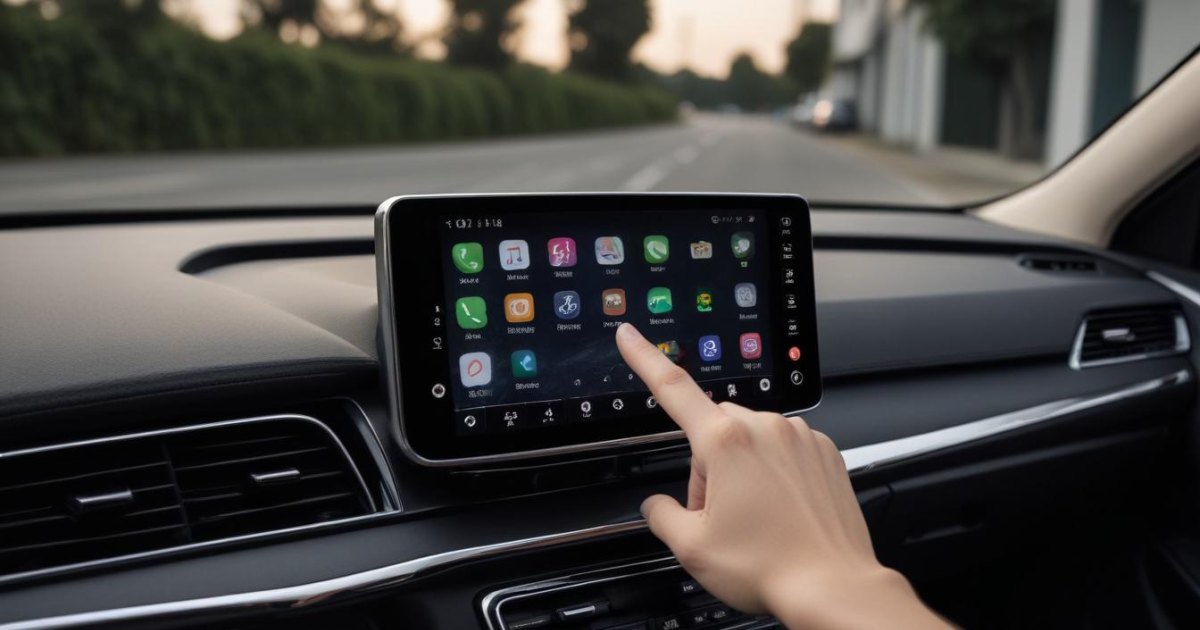
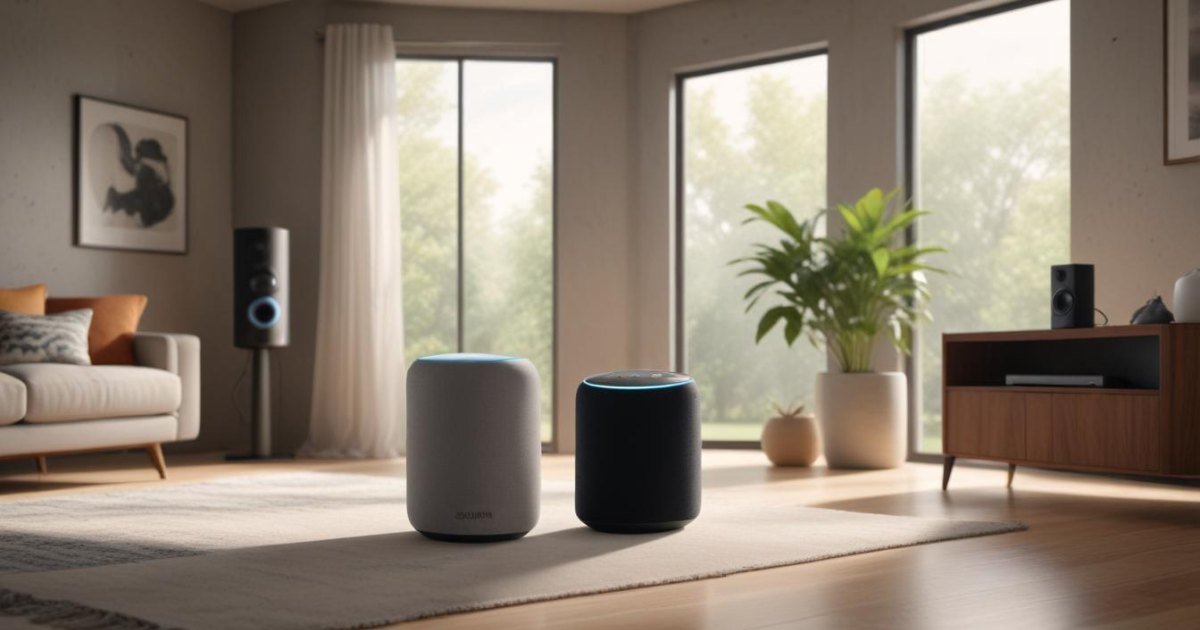
With the advancement of technology, the way we consume content is constantly evolving. One of the protagonists of this transformation is voice assistants, such as Amazon's Alexa, which are increasingly present in homes and daily routines. For radios, this is a golden opportunity to expand their reach and offer a richer and more interactive user experience.<\/p>
The integration with Alexa and other voice assistants allows listeners to access your programming in a simple and practical way, using only voice commands. This not only improves accessibility but also highlights your radio in an increasingly competitive market. Let's explore how this integration can benefit your radio and what steps to take to implement it successfully.<\/p>
What is the integration of Alexa voice assistants with radio? <\/h2>
The integration of Alexa voice assistants with radio refers to the process of connecting your radio station to devices that use voice assistants, such as Alexa, Google Assistant, and Siri. This connection allows listeners to access your live programming or recorded content with just voice commands. With this technology, they can simply say "Alexa, play [your radio name]" and enjoy your programming without needing to interact with physical devices like radios or smartphones.<\/p>
In addition to facilitating access, integration with voice assistants can include custom commands, such as requesting information about the programming or asking to listen to a specific show. This personalization provides a more interactive and enjoyable experience for the listener, helping to retain them.<\/p>
By making your radio available on voice assistants, you are essentially expanding the platforms through which listeners can access it. This is especially important in a digital landscape where convenience dictates consumer preferences. Integration is, therefore, a strategic addition for any station that wants to remain relevant and accessible.<\/p>
Why integrate your radio with voice assistants? <\/h2>
Integrating your radio with voice assistants offers a number of tangible benefits. Firstly, this integration significantly expands your station's reach. With the growing number of smart devices in use, radios that adopt this technology are ahead in the race for listeners' attention.<\/p>
Another important benefit is convenience. Voice assistants allow listeners to access your programming in environments where using traditional devices may be impractical, such as when cooking, driving, or simply relaxing at home. This ease of access can increase listening time and strengthen the listener's relationship with your radio.<\/p>
Additionally, presence on voice assistants enhances your station's image as innovative and up-to-date with technological trends. This can attract new listeners who value modernity and convenience, as well as keep your current base interested and engaged.<\/p>
How does integration with Alexa work? <\/h2>
The integration of your radio with Alexa is done through the creation of a specific "skill" for your station. A skill is an application that expands the capabilities of the Alexa device, allowing users to interact with your radio via voice commands. To create a skill, it is necessary to follow some technical steps that, although they may seem complex, are facilitated by specialized services such as those offered by BRASCAST<\/strong>.<\/p>
The creation process involves registering your station on a skill development platform, defining the voice commands that listeners will use, and configuring the live broadcast or recorded content. After implementation, the skill needs to be published and approved by Amazon before it becomes available to users.<\/p>
Once the skill is active, it is important to promote the novelty to listeners, showing them how they can access your programming through Alexa. This can be done through announcements on the radio itself, social media, and the station's website.<\/p>
To integrate your radio with voice assistants, follow this step-by-step guide:<\/p>
This process can be simplified by partnering with specialized partners who offer technical support and knowledge about what works best in the online radio market.<\/p>
Although integration with voice assistants can be extremely beneficial, some mistakes can compromise the success of this process. One common mistake is underestimating the importance of the quality of the transmitted audio. Voice assistants are used in various environments, and the sound quality needs to be impeccable to ensure a good experience for the listener.<\/p>
Another mistake is not clearly defining the voice commands. Confusing or complicated commands can discourage listeners from using the skill, so it is essential to keep them simple and intuitive. Additionally, not adequately promoting the new feature can result in low adoption, even if the integration was technically successful.<\/p>
Finally, not making regular updates can quickly leave the skill obsolete. User expectations may change, and new features may be necessary to meet growing demands. Staying updated ensures that your radio continues to provide a quality experience.<\/p>
Several radios around the world have already adopted integration with voice assistants, reaping significant rewards from this decision. Stations that previously struggled to retain younger listeners are now able to maintain an engaged audience thanks to the accessibility provided by these devices.<\/p>
For example, a local radio station in a small town in the United States reported a 30% increase in audience after integrating its programming with Alexa. This growth was attributed to listeners who prefer using voice commands to access content during their daily activities.<\/p>
In Brazil, radios that expanded their digital presence with live streaming and Auto DJ on streaming platforms, and also adopted integration with voice assistants, reported a greater diversification of their audience, attracting both traditional listeners and those more connected to new technologies.<\/p>
When it comes to integrating radios with voice assistants, both traditional and online stations have much to gain. However, each format has distinct characteristics that can influence how this technology is implemented.<\/p>
Traditional radios, such as AM and FM, can use integration to modernize their image and reach an audience that is already immersed in digital technologies. This does not mean abandoning the conventional format, but rather complementing it, expanding the station's reach beyond geographical limitations.<\/p>
Online radios, which already operate in a digital environment, can use integration with voice assistants to reinforce their presence and offer an even richer user experience. Both approaches are valid and can be adapted according to the needs and goals of each station.<\/p>
BRASCAST<\/strong> offers a range of services that facilitate the integration of your radio with voice assistants, such as Alexa. With experience in digital solutions for radios, BRASCAST can help from skill development to configuration and ongoing maintenance, ensuring that your station is always updated and functioning perfectly.<\/p>
Additionally, BRASCAST provides technical support and consulting to help define the best voice commands and promotion strategies, ensuring that your radio makes the most of this technology. Integration is just one of the many solutions that BRASCAST offers to maximize your station's potential in the digital environment.<\/p>
With the help of BRASCAST, your radio can not only integrate with voice assistants but also explore other digital opportunities, such as mobile apps and live broadcasting, solidifying its position in the market and ensuring an ever-growing reach.<\/p>
In an increasingly connected world, integration with voice assistants is a natural evolution for radios that want to remain relevant and accessible. The convenience that this technology offers listeners not only enhances the user experience but also opens up new opportunities for engagement and loyalty.<\/p>
Whether for traditional radios looking to modernize their approach or for online radios wanting to expand their reach, integration with voice assistants is a powerful tool. BRASCAST is ready to help your station take this important step, providing the necessary support to implement and promote this technology effectively.<\/p>
Don't wait any longer to put your radio at the forefront of innovation and improve your listeners' experience. Start exploring today the possibilities that integration with Alexa and other voice assistants can bring to your station.<\/p> Step by step to integrate your radio with voice assistants <\/h2>
Common mistakes when integrating radios with voice assistants <\/h2>
Examples of radios that succeeded with integration <\/h2>
Comparison between traditional and online radios with voice assistants <\/h2>
How BRASCAST can help with integration <\/h2>
Conclusion: integration as part of your radio's strategy <\/h2>
Frequently asked questions
How does the integration of the radio with Alexa work?
The integration allows listeners to access your radio through voice commands, using Alexa to tune into your station directly.
What are the benefits of using voice assistants for my radio?
The main benefits include facilitating listener access, expanding the radio's reach, and promoting technological innovation.
Is it difficult to integrate my radio with voice assistants?
The process can be simplified through the creation of specific "Skills" or "Actions" for each voice assistant, and it is possible to hire professionals to assist in this task.