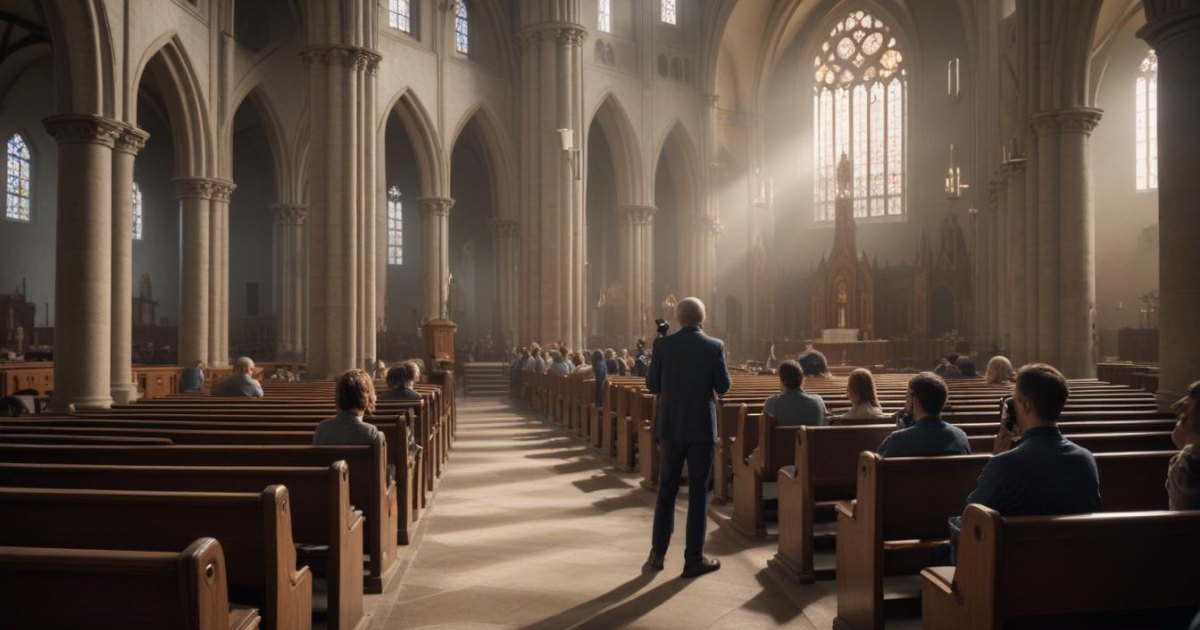
In recent years, technology has proven to be a powerful ally for churches that wish to expand their reach and connect with a larger number of believers. The radio for churches is an excellent tool in this regard, allowing services and sermons to be broadcast live to anywhere in the world. This strategy not only expands the audience but also provides a deeper integration between the religious community and its activities.<\/p>\n\n
The advancement of the internet and the growth of streaming have made it possible for any church, regardless of its size, to effectively and professionally broadcast its messages of faith. BRASCAST, with its expertise in online radio and streaming solutions, offers a robust platform for churches to start or enhance their live broadcasts, ensuring quality and reliability.<\/p>\n\n
Why invest in a radio for churches<\/h2>\n\n
Investing in a radio for churches is an effective way to connect with your congregation and reach new believers. In a world where mobility and digitalization are increasingly important, having a robust online presence is essential. Online radio allows churches to broadcast religious services, sermons, and inspiring music to a wider audience, without the geographical limitations of a physical structure.<\/p>\n\n
Moreover, the radio for churches can serve as a continuous communication channel with church members, providing updates on events, service times, and other important activities. This strengthens the sense of community and keeps believers informed and engaged, even when they cannot be physically present.<\/p>\n\n
Another positive aspect is the possibility of attracting new members. People who do not yet attend the church can learn about its activities and messages through the radio, sparking interest in participating more actively. Thus, the radio becomes a tool for evangelization and community growth.<\/p>\n\n
How live broadcasting of services works<\/h2>\n\n
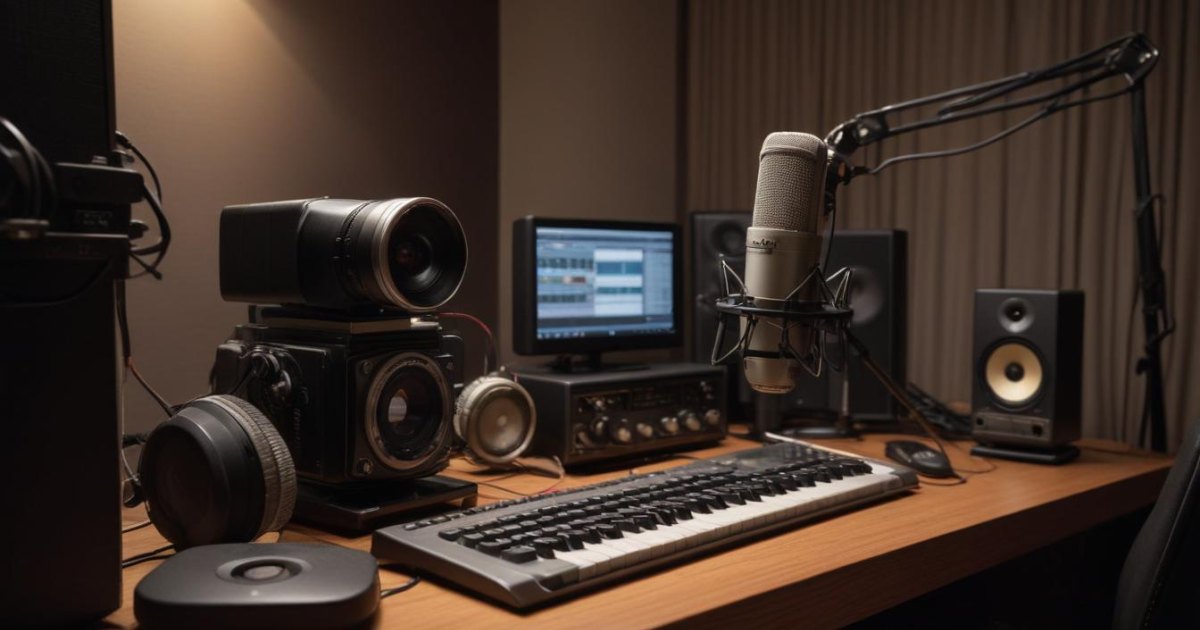
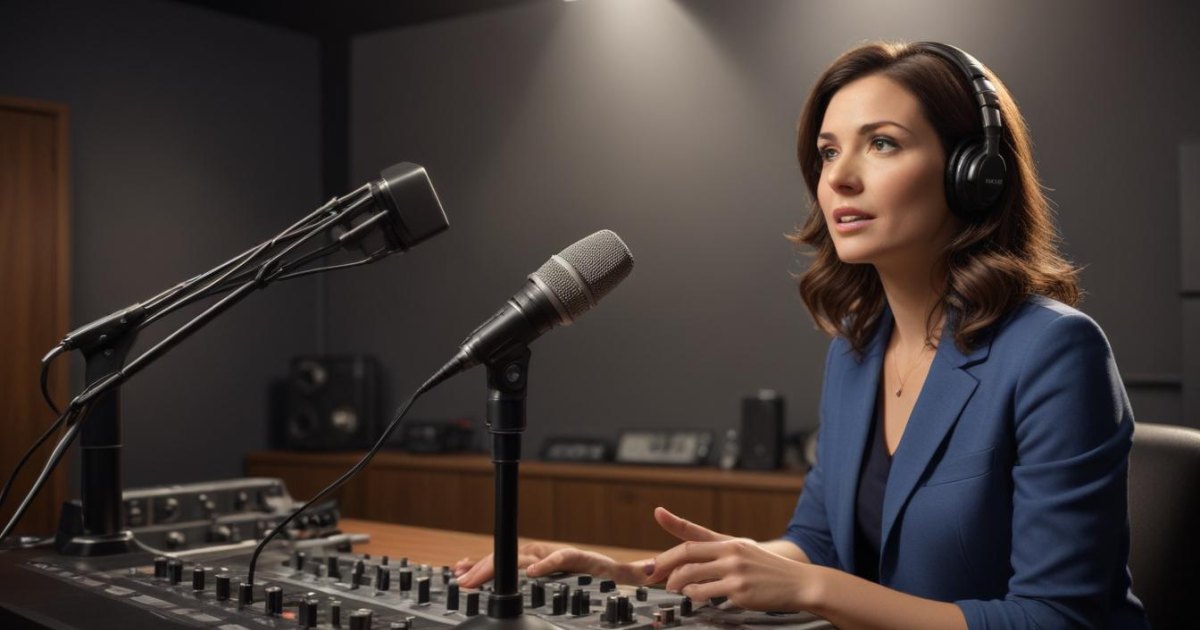
Broadcasting services live through a radio for churches is a process that involves several technical steps but can be simplified with the right solutions. First, it is necessary to record the audio of the service or sermon, which can be done with quality microphones strategically positioned in the church. These microphones capture the sound of the pastor, the choir, and musical instruments.<\/p>\n\n
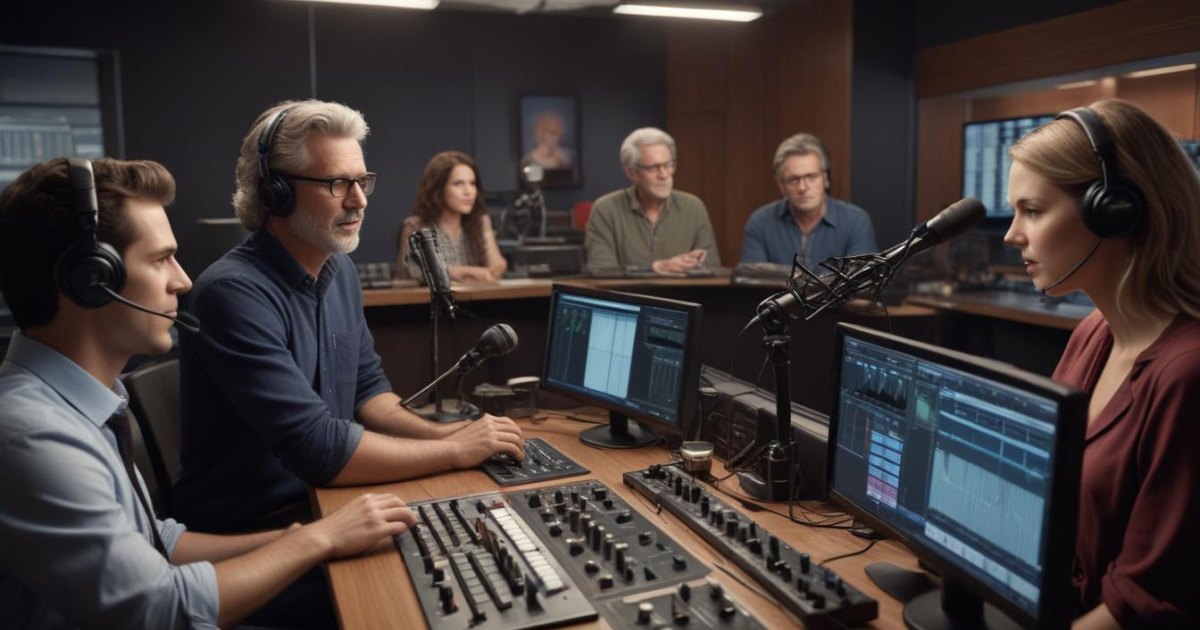
Next, the audio is transmitted to a streaming server. BRASCAST offers Live broadcasting and Auto DJ (streaming)@@\/A@@ services, which allow the captured sound to be sent in real-time to listeners connected to the internet. This technology ensures that the audio arrives with quality and without interruptions, regardless of the listeners' location.<\/p>\n\n Finally, listeners access the broadcast through a customized radio website or app. With BRASCAST, churches can rely on an Own radio app (Android and iOS)@@\/A@@, making it easier for the audience to follow the broadcasts on their mobile devices.<\/p>\n\n The use of streaming to broadcast services and sermons offers several advantages for churches. First, there is the issue of accessibility. Believers who cannot physically attend services, whether due to health issues, distance, or personal commitments, have the opportunity to actively participate in celebrations remotely.<\/p>\n\n Another significant advantage is the ability to reach a global audience. With online broadcasting, there are no borders - people from anywhere in the world can tune in and participate in services, which is especially beneficial for churches with expatriate members or missionaries.<\/p>\n\n Additionally, streaming helps create a digital archive of sermons and services, which can be accessed later by those who missed the live broadcast or wish to revisit the messages. This increases the value of the broadcasts, turning them into lasting resources for the community.<\/p>\n\n Starting a radio for churches requires some basic equipment, but not necessarily expensive. The first essential item is a good audio capture system, which includes quality microphones. Condenser microphones are especially recommended for capturing the pastor's voice and ambient music clearly.<\/p>\n\n Another important piece of equipment is the audio mixer. It allows you to adjust the volume and quality of the captured sound, ensuring that the broadcast is pleasant for listeners. Digital mixers are particularly useful, as they offer greater control and flexibility in settings.<\/p>\n\n Finally, a computer or laptop will be necessary to connect the audio system to the streaming server. This device should have a good internet connection to avoid drops during the broadcast. With BRASCAST, you can count on technical support to effectively set up this equipment.<\/p>\n\n Although broadcasting services live brings numerous benefits, it also presents some challenges that need to be overcome. One of the most common problems is audio quality. Unwanted noise and distortions can compromise the listeners' experience. To avoid this, it is important to invest in good audio equipment and conduct tests before broadcasts.<\/p>\n\n Another challenge is the stability of the internet connection. An unstable connection can cause interruptions in the broadcast, harming the listeners' experience. It is advisable to use a dedicated connection and test the internet speed before starting the broadcast.<\/p>\n\n Finally, lack of engagement can be a problem. It is crucial to promote the radio for churches on social media and the church's website to increase the audience. Encouraging listener participation, such as comments and prayer requests, also helps create a more engaged community.<\/p>\n\n There are many examples of churches that have managed to expand their reach and impact using online radios. One church in São Paulo, for example, significantly increased its audience by starting to broadcast its services online. With the support of BRASCAST, they implemented an Manageable radio website@@\/A@@, which facilitated access to the broadcasts.<\/p>\n\nAdvantages of using streaming for churches<\/h2>\n\n
Equipment needed to start a radio for churches<\/h2>\n\n
Common challenges and how to overcome them<\/h2>\n\n
Success stories in using radio for churches<\/h2>\n\n
Frequently asked questions
What is the advantage of using online radio for churches?
The main advantage is the expanded reach, allowing believers to participate in services and sermons, even from a distance.
What equipment is needed to broadcast live?
You will need quality microphones, a stable internet connection, and a computer to operate the broadcast.
How to promote the church's live broadcasts?
Use social media, emails, and other communication channels to inform the community about the schedules and how to access the broadcasts.
Can live broadcasts be recorded?
Yes, broadcasts can be recorded and made available later for believers to listen to at any time.