
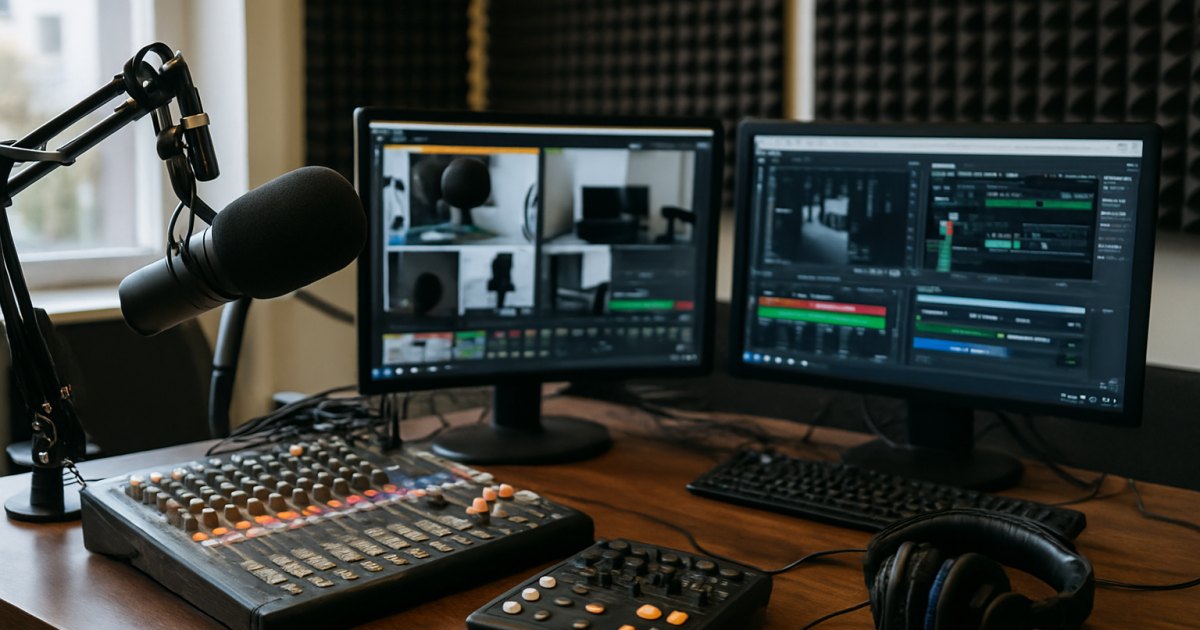
The digital world has revolutionized the way we consume content, and audio streaming is at the center of this transformation. It allows radio stations, whether online or traditional, to reach a global audience by broadcasting content in real-time over the internet. The popularity of audio streaming is no coincidence: it offers flexibility and accessibility for both creators and listeners.<\/p>
For many, understanding how audio streaming works can seem complex. Terms like "server," "concurrent listeners," and "stability" can be intimidating. However, by deciphering these concepts, radio managers can optimize their broadcasts and provide a quality experience for their listeners. In this article, we will explore these aspects in detail and practically, empowering you to make the most of audio streaming.<\/p>
What is audio streaming?<\/h2>
Audio streaming is the technology that allows continuous sound transmission over the internet. Unlike traditional downloading, where the file is fully transferred before playback, in streaming, the audio is played almost instantly. This is possible because the data is sent in small parts that are immediately decoded and played.<\/p>
This technology is widely used in online radios, podcasts, and music platforms, providing a dynamic and uninterrupted experience for listeners. Audio streaming eliminates the need to store large files on users' devices, making access to content fast and efficient.<\/p>
Moreover, audio streaming is a viable solution for traditional radios looking to expand their reach. By integrating streaming into their operation, these stations can reach listeners anywhere in the world, significantly increasing their potential audience.<\/p>
The role of servers in audio streaming<\/h2>
Servers are crucial components in the audio streaming process. They are responsible for managing the data traffic between the broadcaster (the radio) and the listeners. In simple terms, the server receives the audio from the transmission source and distributes it to the connected listeners.<\/p>
Choosing the right server is essential to ensure a stable and high-quality broadcast. Different servers offer distinct capabilities, and it is important to select one that meets the specific needs of your radio, considering factors such as the number of concurrent listeners and the available bandwidth.<\/p>
At BRASCAST, we offer [online radio plans](https:\/\/brascast.com\/planos-para-radio) that include high-performance servers, ensuring that your radio can broadcast efficiently and stably. Our infrastructure is designed to support a large number of simultaneous connections without compromising audio quality.<\/p>
Understanding concurrent listeners<\/h2>
Concurrent listeners refer to the number of people listening to your broadcast at the same time. This is a critical aspect in planning an online radio station, as it directly impacts the choice of streaming plan and server.<\/p>
Stations with a large number of concurrent listeners need servers with greater processing capacity and bandwidth. Otherwise, the broadcast may suffer interruptions, harming the user experience. It is important to monitor audience growth and adjust resources as needed.<\/p>
An effective way to manage the capacity of concurrent listeners is through the use of [optimized players and widgets](https:\/\/brascast.com\/players-e-widgets), which can be incorporated into the radio's website. They help manage traffic and improve the user experience, adapting to audience growth.<\/p>
Importance of stability in broadcasts<\/h2>
Stability is one of the most critical factors in audio streaming. To keep listeners engaged, it is essential that the broadcast occurs without interruptions or drops in quality. Stability depends on various factors, including server quality, bandwidth, and the configuration of the broadcasting system.<\/p>
Unstable broadcasts can lead to loss of listeners and harm the radio's reputation. Therefore, investing in reliable infrastructure and constantly monitoring broadcast quality are essential steps to ensure a satisfactory listener experience.<\/p>
At BRASCAST, we offer [live broadcasting and Auto DJ](https:\/\/brascast.com\/ao-vivo-e-auto-dj) that provide a robust and reliable platform, ensuring that your radio maintains the stability needed to attract and retain listeners.<\/p>
Comparing online and traditional radios<\/h2>
Online and traditional radios have unique characteristics that can complement each other. While traditional radios have a local base and a consolidated presence, online radios offer global reach and platform flexibility.<\/p>
Traditional radios can benefit from audio streaming to expand their reach and attract new audiences. This does not mean replacing the traditional model, but rather integrating it into a digital strategy that maximizes audience and listener interaction.<\/p>
On the other hand, online radios have the advantage of lower operational costs and the ability to target audiences more precisely. Both platforms can coexist and benefit mutually, especially when supported by services like those from BRASCAST.<\/p>
How to get started with audio streaming<\/h2>
Starting an audio broadcast requires planning and choosing the right services. The first step is to define the target audience and the type of content that will be broadcast. Knowing the listener profile helps select the necessary infrastructure.<\/p>
Next, choose a streaming server that meets your listener capacity and broadcast quality needs. Evaluating suppliers and available packages can make a difference in the final experience for listeners.<\/p>
Finally, integrate tools like [manageable radio website](https:\/\/brascast.com\/site-administravel) and [custom radio app](https:\/\/brascast.com\/aplicativo-para-radio), which facilitate access and increase audience engagement. These tools help create a robust and attractive digital presence.<\/p>
Common mistakes in audio streaming<\/h2>
Many beginners make mistakes that can compromise the quality of the broadcast. A common mistake is underestimating the importance of bandwidth, resulting in unstable and low-quality broadcasts.<\/p>
Another frequent failure is not testing the configuration before going live. Technical issues can be minimized with rigorous testing and pre-broadcast adjustments, ensuring everything works perfectly when listeners are connected.<\/p>
Finally, not monitoring the broadcast performance is a neglect that can be avoided. Using analysis tools to track audience growth and broadcast stability is essential for continuous improvements.<\/p>
Practical examples of success<\/h2>
There are many examples of radios that have used audio streaming to expand their reach and improve the listener experience. A local radio station, for example, managed to triple its audience by integrating streaming with its traditional programming.<\/p>
Another station opted to create a custom app, which increased engagement among young audiences and boosted participation in live events. This strategy not only expanded reach but also diversified revenue sources through targeted ads.<\/p>
- An example of success is the integration of a [skill for Alexa](https:\/\/brascast.com\/skill-alexa), allowing listeners to access the radio via voice commands, increasing convenience and accessibility.<\/li>
- Another radio adopted a [custom domain registration](https:\/\/brascast.com\/registro-dominio), making it easier to remember the radio's name and improving organic traffic.<\/li>
- Finally, radios that used a [content and jingle library](https:\/\/brascast.com\/biblioteca-de-conteudos) enriched their broadcasts, offering a more professional and engaging experience.<\/li>
Conclusion and next steps<\/h2>
Audio streaming is a powerful tool for any radio station looking to expand its reach and improve the listener experience. Understanding the technical aspects, such as servers, concurrent listeners, and stability, is essential for success.<\/p>
To maximize the benefits, it is crucial to invest in reliable infrastructure and stay attentive to changes and opportunities in the digital market. Partnering with specialized suppliers, such as BRASCAST, can facilitate this process, offering tailored solutions for radios of all sizes.<\/p>
If you are ready to take your radio to the next level, explore the [online radio plans](https:\/\/brascast.com\/planos-para-radio) offered by BRASCAST and start transforming your project into a reference in the digital world. Don't hesitate to [contact us](https:\/\/brascast.com\/fale-conosco) for more information and specialized support.<\/p>
Frequently asked questions
What is an audio streaming server?
An audio streaming server is responsible for receiving the audio signal from the radio and distributing it to online listeners, ensuring quality and continuity in the broadcast.
How can I increase the number of concurrent listeners?
To increase the number of concurrent listeners, it is necessary to hire a streaming plan that supports more connections and ensure that the server has the capacity for that.
Why is stability important in audio streaming?
Stability is crucial to avoid interruptions in the broadcast, which ensures an uninterrupted listening experience and maintains listener satisfaction.
What are the benefits of a good audio streaming service?
Benefits include reaching a wider audience, offering a high-quality experience, and effectively competing with traditional radios.