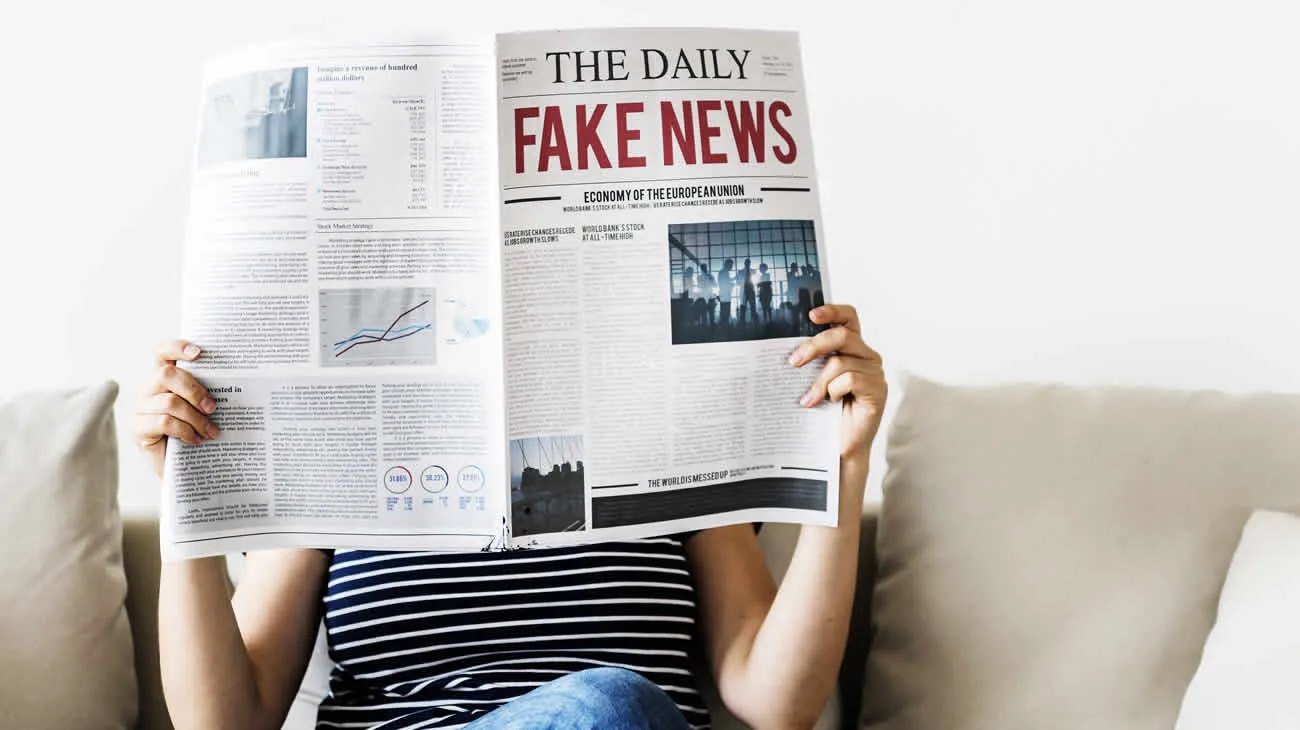
We live in the era of Fake News, and we can no longer trust all the news that is broadcast, whether on TV, printed newspapers, radio, and especially on the internet and social media. There are countless instances of deliberately misleading information aimed at tarnishing someone's or a company's reputation, often with sensationalist headlines. For the owners of these media outlets, broadcasting false news damages their image with the public. In the case of online radio, it is no different. A series of precautions must be taken to avoid this type of deception.
The term fake news, which translates from English as false news, harms not only citizens' understanding of what is actually happening in Brazil and around the world but also interferes with the lives of media professionals, who are at the mercy of unreliable information sources, in addition to being used as a gateway to scandals.
According to a study conducted this year, over twelve years of publications on Twitter (now "X"), 126,000 fake news stories were disseminated among users by more than 4 million people. Furthermore, the speed at which these news items reach the public was analyzed, being faster than real news broadcasted by reliable media. This happens because our minds tend to believe news that confirms our own beliefs or opinions, avoiding those that demonstrate the opposite, which facilitates the spread of fake news.
In the specific case of online radios, the dissemination of untrue news is quite instantaneous, as their medium of broadcasting is online. In other words, everything that is broadcast on the internet gains traction faster than in traditional media, such as FM/AM radio, TV, newspapers, and magazines. In the case of social media, this transmission is even quicker, as everyone is connected to them for most of the day.
To prevent your web radio's reputation from being tarnished by the broadcasting of fake news, we have compiled some tips on how to identify them and avoid their dissemination. Check it out:
Investigate Thoroughly
Analyzing the source of information is one of the main tasks of a journalist or news broadcaster. In the case of web radio, although many do not give it the due importance, this investigation should be done thoroughly to analyze and filter what is truly reliable or not.
To do this, check other websites, printed newspapers, TV, and traditional radios to see if that news is being reported in that way, or even call an agency or person related to the fact in question to confirm its authenticity. Look for research in more traditional and reliable media in the journalistic landscape.
If the news comes from unknown or suspicious-looking sites, be suspicious right away. Additionally, if the news seems somewhat strange, such as the death of a famous person, a terrorist attack, or something of that nature, this investigation becomes even more necessary, as it can directly impact the lives of those who hear it.
Confirm with Other Sources
Besides confirming the authenticity of the news, check with other sources beyond those already used to see if that fact can be understood in the same way. Additionally, it is interesting to have an exclusive stance on news that is already being reported in other media, in order to complement your listeners' understanding and avoid distorting any details as much as possible.
Avoid Your Interference
The issue of impartiality is quite delicate in the journalistic field, regardless of the medium of news dissemination, especially when we talk about politics. In an election year, biased articles that show only one side of the news to favor or disfavor a certain candidate are common.
Moreover, cutting a segment of audio or reading only a part of a news story, even if real, is still considered fake news, as the intent was not to inform but to distort the complete reality with biased excerpts.
Therefore, try to read and understand a story that reaches your radio in its entirety and report it completely as well, if confirmed. This allows your listeners to know both or more sides of the fact, without the appearance of bias towards any of them. By taking this care, your radio's reputation will be quite positive, as you care about informing without external interference.
Analyze the Date
Often, news that seems recent comes to us, but in reality, it happened years ago. This is also considered fake news, as that fact is not actually happening. Therefore, check in publications from other places if this news has already been published before.
Furthermore, even if there are new facts about the same event, try to provide a retrospective to clarify what happened before the fact reached its current stage. This avoids erroneous conclusions and unintentional fake news.
Analyze the Tone of the News
Many columnists, commentators, and journalists of various genres publish strips or news satirizing a particular news item as a way to express their opinion on the matter. To avoid reporting satire, seek out the articles published by the author previously to discover if this genre predominates in their publications. This way, your online radio does not come off as naive or satirical about any fact.
Another precaution is to investigate a journalist's stance on a particular subject. Many clearly position themselves against or in favor of something, which can interfere with the reality of a fact. Therefore, research thoroughly other articles they have published, videos made, and opinions on social media. This can help identify a trend and a distortion of facts.
Use Automatic Fact-Checkers
Some Brazilian institutions have already created websites that work exclusively to identify and alert about fake news disseminated in media outlets and social networks. Facebook itself has this function to assist in this identification, in addition to having a dedicated section to guide on recognizing false news.
Ready to take your radio to the next level? Visit the BRASCAST website and check out our plans! With our solutions, you will have all the necessary support to turn your radio into a true success.