Live streaming events on your radio is an excellent way to engage your audience, expand your station's reach, and offer exclusive real-time content. Whether an online or traditional radio, integrating live broadcasts can add significant value to your programming and attract new listeners. In this article, we will explore the essential steps to successful broadcasts, covering everything from planning to execution, as well as how BRASCAST can be an ally in this process.<\/p>
With the growing demand for instant content, live streaming has become a powerful tool in the radio world. In addition to allowing listeners to follow events in real time, it offers a more interactive and engaging experience. Therefore, it is crucial to understand what is necessary to conduct a quality broadcast, from equipment to platform selection, ensuring that your content reaches as many people as possible.<\/p>
What is Live Event Streaming?<\/h2>
Live event streaming is the process of sending audio and, in some cases, video in real time to your listeners. This can include concerts, conferences, interviews, or any event you want to share with your audience. Unlike recorded programs, live streaming offers an instant experience, allowing the audience to feel part of the event as it happens.<\/p>
The practice of live streaming events has grown in popularity, especially with the advancement of digital technologies that facilitate this process. Both online and traditional radios can use this strategy to diversify their programming and offer exclusive content to their listeners. This not only helps keep the audience engaged but also attracts new listeners looking for differentiated content.<\/p>
For a live broadcast to be successful, it is crucial to plan every detail, from choosing the event to the equipment and streaming platforms. The quality of the audio and the stability of the connection are determining factors to ensure that the listener's experience is the best possible. BRASCAST offers services that can facilitate this process, allowing your radio to focus on what really matters - creating valuable content for your audience.<\/p>
Advantages of Live Streaming for Radios<\/h2>
Incorporating live broadcasts into your radio's programming brings a series of benefits. Firstly, it increases engagement with the audience. The fact that listeners can follow events in real time creates a stronger connection, as they feel part of what is happening. This is especially important in a world where audience attention is increasingly contested.<\/p>
Moreover, live streaming can help your radio stand out from the competition. Offering exclusive and instant content is an effective way to attract new listeners and retain existing ones. This is particularly beneficial for radios looking to expand their audience beyond their traditional geographic area, reaching listeners anywhere in the world via the internet.<\/p>
Another significant benefit is the possibility of monetization. Live broadcasts can be sponsored, or you can charge for access to exclusive events. This not only generates additional revenue but also adds more value to the content you offer. With the help of BRASCAST, it is possible to integrate these functionalities practically, enhancing your radio's monetization potential.<\/p>
Equipment Needed for Live Streaming<\/h2>
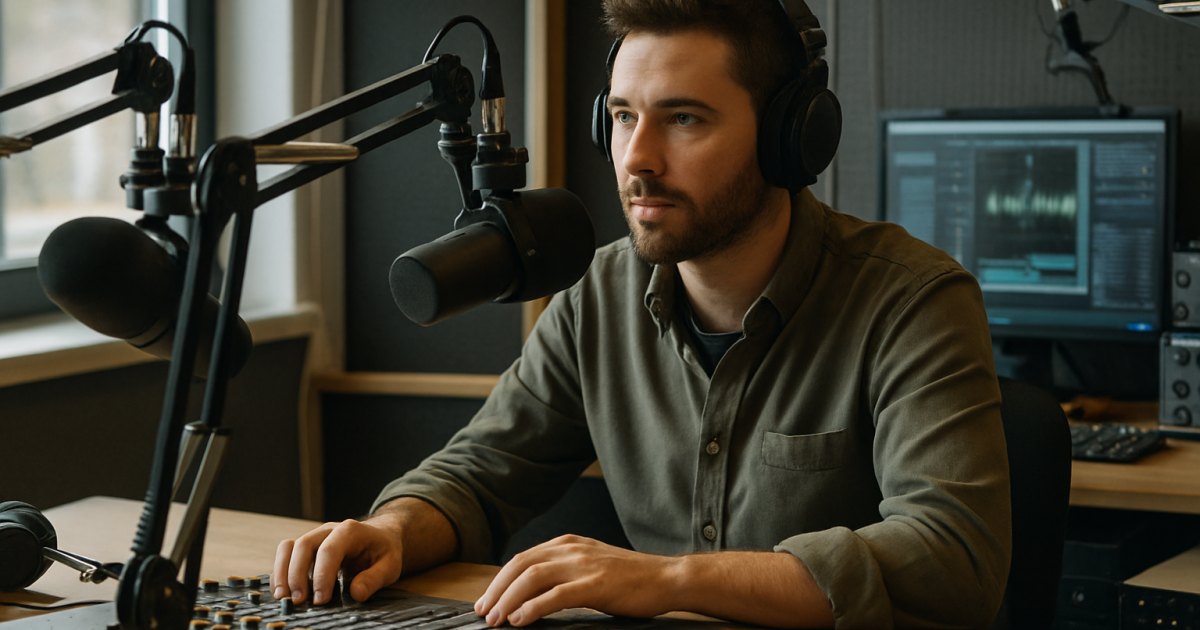
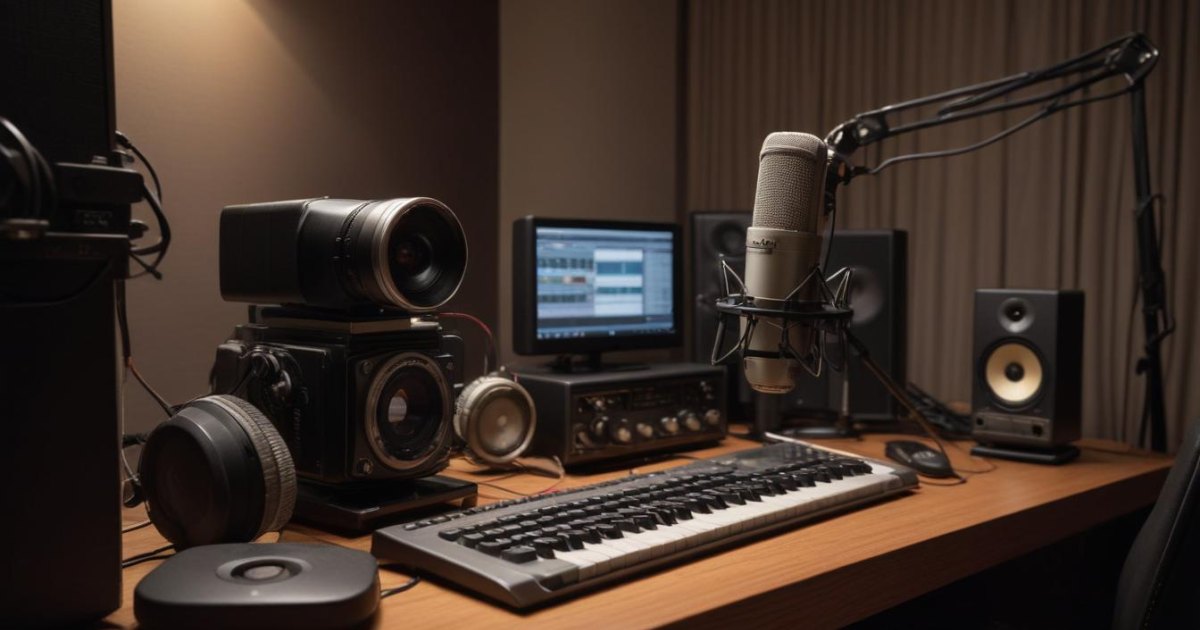
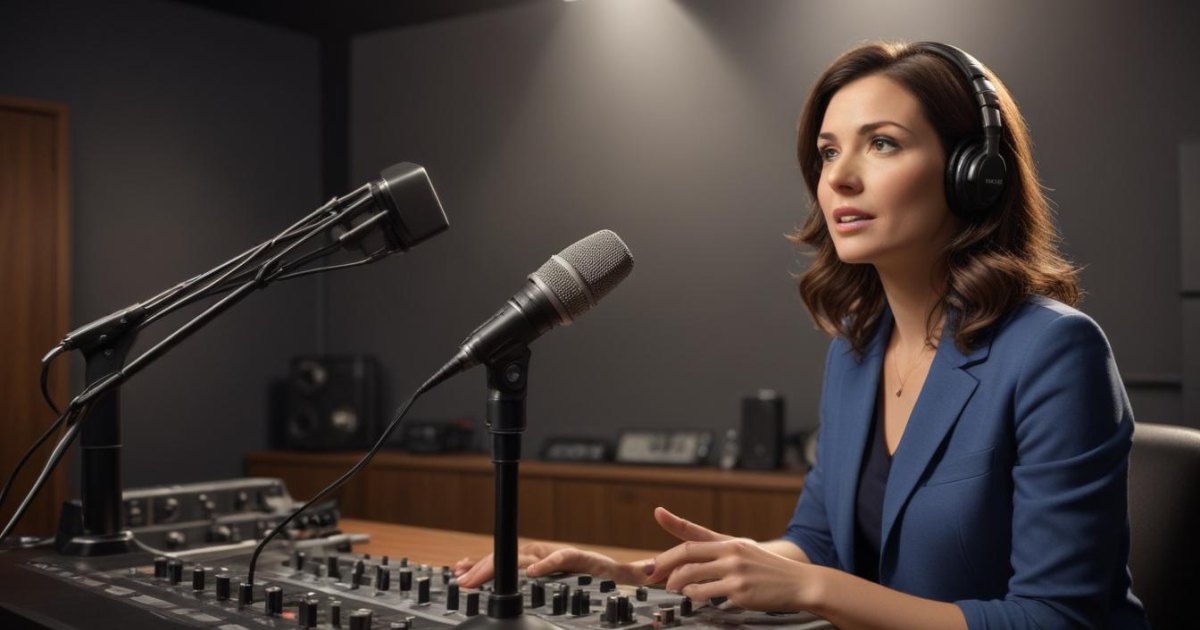
To conduct a quality live broadcast, it is essential to have the right equipment. Firstly, you will need high-quality microphones to capture the event's audio. Dynamic microphones are a good choice for capturing sound in noisy environments, while condensers are ideal for capturing details in more controlled locations.<\/p>
In addition to microphones, it is important to have a mixing console to manage different audio channels. This will allow you to adjust volumes, mix sounds, and ensure that the audio transmitted to listeners is clear and balanced. A good audio interface is also crucial for connecting the microphones and mixing console to the computer.<\/p>
- High-quality microphones<\/li>
- Audio interface<\/li>
- Mixing console<\/li>
- Computer with streaming software<\/li>
- Stable internet connection<\/li>
<\/ul>
Last but not least, a stable internet connection is fundamental to ensure that the audio reaches listeners without interruptions. Consider having a dedicated connection for the broadcast, thus avoiding drops and ensuring the best possible experience for your audience.<\/p>
Step by Step to Conduct Live Streaming<\/h2>
Conducting a live broadcast may seem challenging, but with the right planning, it is entirely feasible. The first step is to define the event to be streamed and obtain all necessary permissions. It is crucial to plan ahead to avoid unforeseen issues and ensure that all details are covered.<\/p>
Next, test all equipment in advance. Make sure that the microphones, mixing console, audio interface, and streaming software are functioning correctly. This will help identify and resolve technical problems before the event, avoiding unpleasant surprises during the live broadcast.<\/p>
Finally, choose the streaming platform. BRASCAST offers various solutions that can facilitate this process, such as the live streaming service, which ensures quality and stability for your broadcasts. With all the planning and the right technology, you will be prepared to offer a unique experience to your listeners.<\/p>
Common Mistakes in Live Streaming and How to Avoid Them<\/h2>
Even with good planning, some mistakes are common in live broadcasts, but they can be avoided with attention to detail. One of the most frequent mistakes is the lack of prior testing. Always test all equipment before the event to avoid failures during the broadcast.<\/p>
Another common mistake is underestimating the importance of a stable internet connection. Without a good connection, your broadcast may face drops or buffering, harming the listener's experience. Ensure that the connection is sufficient to support the data flow of the broadcast.<\/p>
Lastly, do not ignore listener feedback. During and after the broadcast, pay attention to comments and suggestions from the audience. They are a valuable source of information to improve your future live broadcasts. BRASCAST can help your radio optimize this process with tailored solutions, such as the manageable website, which allows integrating feedback and adjusting your content strategy.<\/p>
Comparing Traditional Radio and Online Radio in Live Streaming<\/h2>
Traditional and online radios can benefit from live streaming, but there are some differences to consider. Traditional radios already have an established listener base, which can facilitate the promotion of live events. However, live streaming over the internet can help reach an even larger audience, breaking geographical barriers.<\/p>
For online radios, live streaming is an excellent way to attract new listeners and stand out in a competitive market. The flexibility of digital platforms allows for experimentation and innovation in how events are streamed, offering a differentiated experience.<\/p>
Regardless of your radio's format, BRASCAST offers solutions to enhance your live broadcasts, such as players and widgets for websites. They are essential for integrating your live broadcast into your radio's digital environment, providing listeners with a rich and interactive experience.<\/p>
Practical Success Examples in Live Streaming<\/h2>
Many radios have achieved success by incorporating live streaming into their programming. One example is the live broadcast of concerts, which not only engages listeners but also creates partnership opportunities with artists and sponsors. Another example is the coverage of local sports events, which attracts a specific and loyal audience.<\/p>
Radios that stream live interviews with personalities of interest to their audience have also seen a significant increase in engagement. This type of content offers exclusivity and can be an excellent monetization opportunity through sponsors interested in the target audience.<\/p>
These success stories demonstrate that, with the right planning and the right technology, live streaming can be a powerful tool for any radio. BRASCAST can support your radio in every step of this process, offering tailored solutions like the start page to consolidate your digital presence.<\/p>
Conclusion and Call to Action<\/h2>
Live streaming events is a valuable strategy for any radio that wants to expand its reach and engage its audience in an innovative way. With proper planning, the right equipment selection, and the technological support of BRASCAST, your radio can offer unique and differentiated experiences to your listeners.<\/p>
Whether you own a traditional or online radio, consider integrating live streaming into your programming. Explore BRASCAST's solutions to ensure that your broadcasts are successful and reach their maximum potential. Don't waste time and start planning your live broadcasts with the confidence that you are using the best in streaming technology.<\/p>
Contact the BRASCAST team to learn more about how we can help your radio grow and stand out in the market. Together, we can create unforgettable experiences for your listeners and open new business possibilities for your station.<\/p>
Frequently asked questions
What equipment is needed for live streaming?
High-quality microphones, a mixing console, and a stable internet connection are required.
How to choose the best streaming platform?
Opt for platforms that easily integrate with your programming, like the solutions offered by BRASCAST.
What is the importance of testing before the broadcast?
Testing ensures that the audio and streaming quality are adequate, avoiding problems during the event.
How to engage listeners during the live broadcast?
Promote in advance, encourage questions, and real-time interactions to keep listeners engaged.